

Skip to content
UNSO · 2026

09th Uganda National Science Olympiad

Back to programme
UNSO 2026 · Complete archive

The Hive
of Possibility

The 2026 Olympiad brought hundreds of young scientists into one connected journey of research, questioning and scientific exchange, each team contributing its own piece to the Hive of Possibility.

01 / REGIONAL QUALIFIERS

The Regionals
The Hive Takes Shape

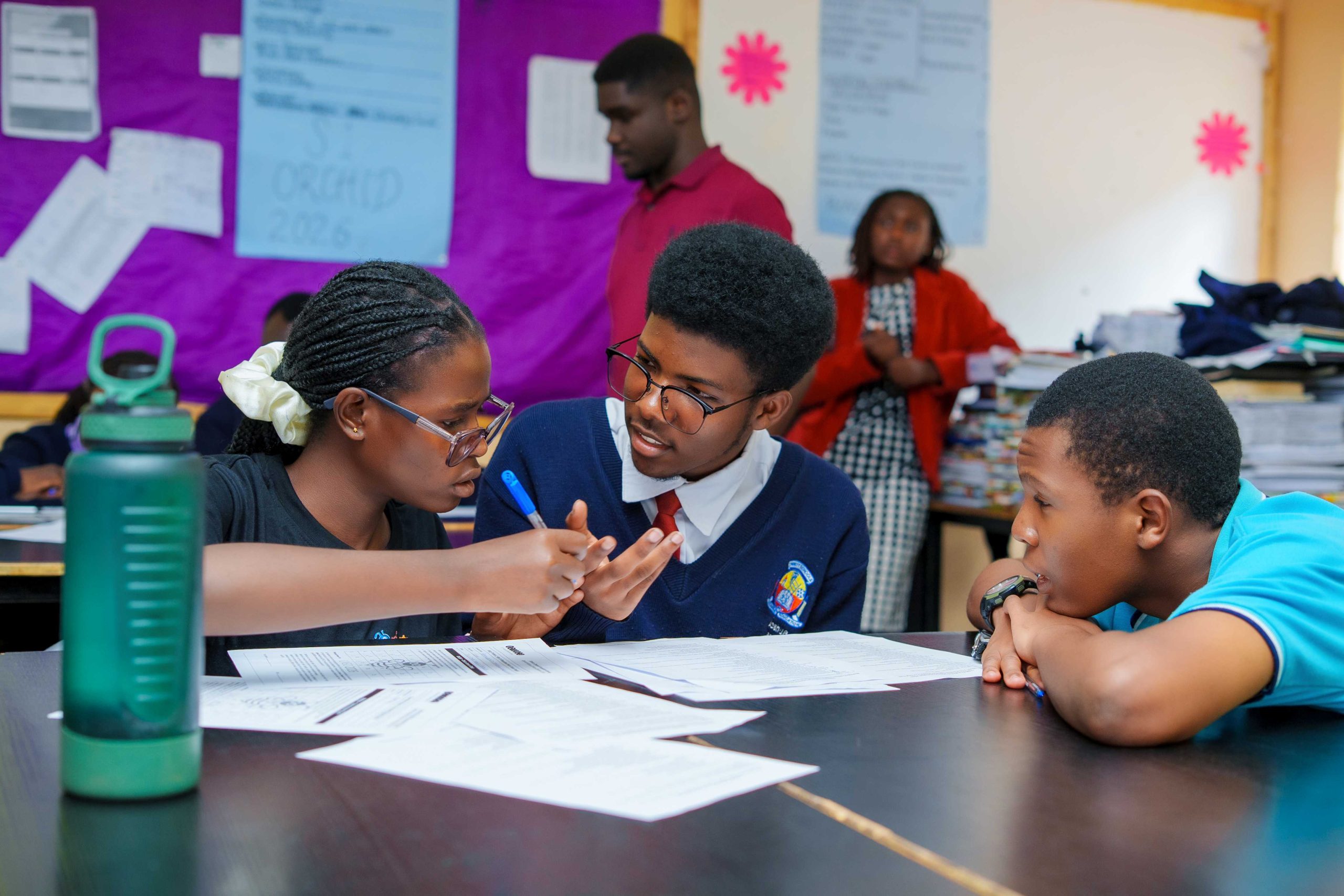
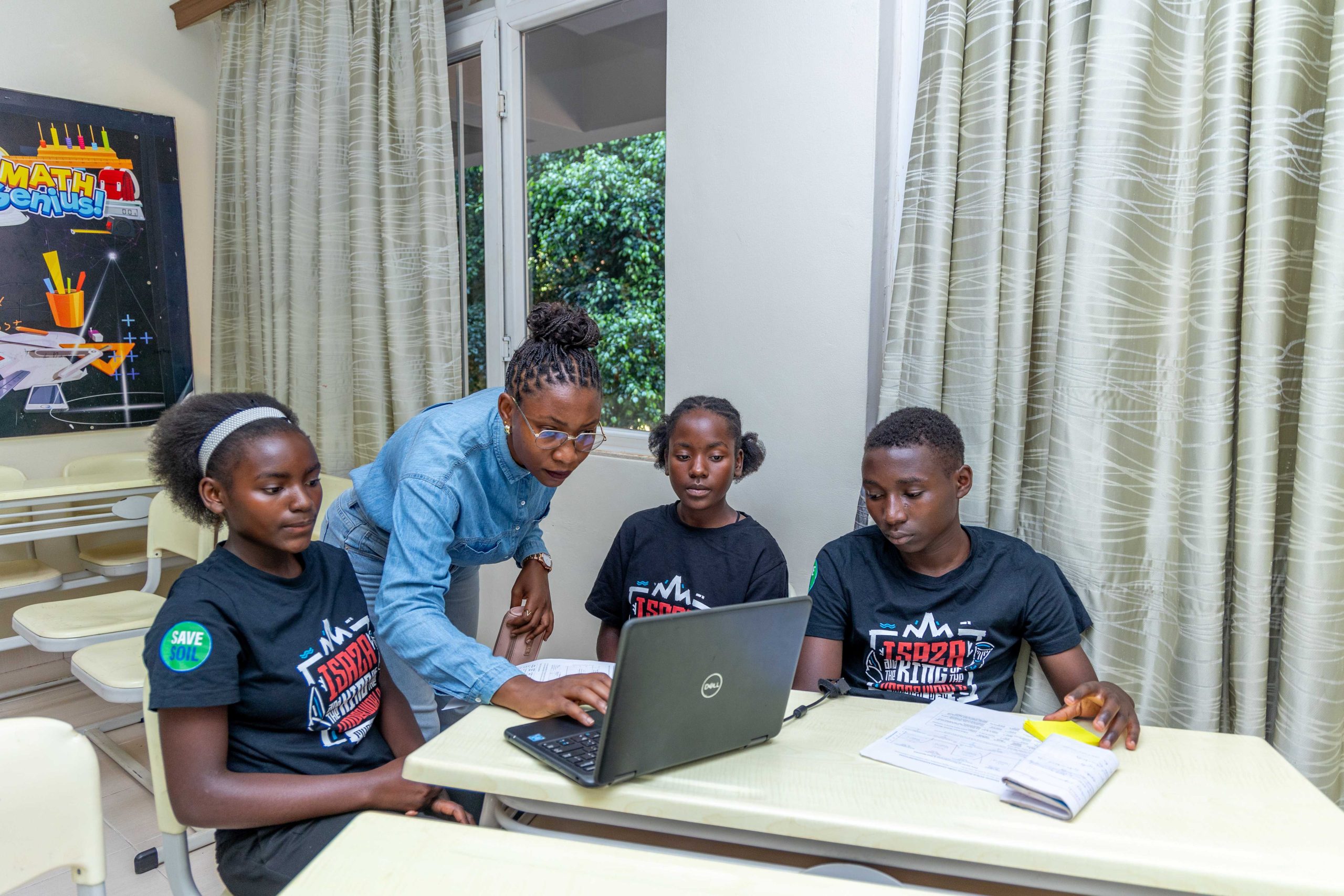
Across the Regional Qualifiers, teams worked independently on demanding scientific problems, building the ideas, evidence and arguments that would eventually meet at Nationals.

UNSO 2026 Regional Qualifiers
RESEARCH CYCLE2026
3085teams enteredRegional Qualifiers participation
9255studentsYoung scientists taking part
107schoolsInstitutions represented
90teams advancedOfficial National Round qualifiers
Research Problems

The questions that shaped the qualifier.

Each problem becomes both a research assignment and, after assessment, a record of the team whose work stood out most strongly.

01
Research Problem

The Fermentation Safety Mystery

In many Ugandan homes, fermented drinks like bushera and malwa are brewed in open, unsterile containers. Strangely, these drinks rarely cause food poisoning despite their high microbial content. What hidden biological “gatekeepers” or microbial interactions make these drinks safe, and how do the microbes decide which species dominate during fermentation?

JOINT BEST RESEARCH
TeslaMt. St. Mary's College, Namagunga
MavericksNamilyango College
A.I.MMt. St. Mary's College, Namagunga
02
Research Problem

Why Do Mosquitoes Prefer Certain People?

In one family sitting outside on a warm evening, some members are relentlessly bitten by mosquitoes while others remain largely unbothered. What subtle biological signals tip the mosquito’s choice, and do these preferences change with environment or season?

BEST RESEARCH
Void CircuitKing's College, Budo
03
Research Problem

The Motorcycle Headlamp Mystery

Boda bodas (motorcycles) on Kampala roads often replace factory bulbs with “brighter” aftermarket ones. Yet riders sometimes report that the road looks dimmer even though the light appears whiter and stronger to the eyes. Why does increasing brightness not always improve visibility at night, and what physics of scattering, glare, and human eye perception is at play?

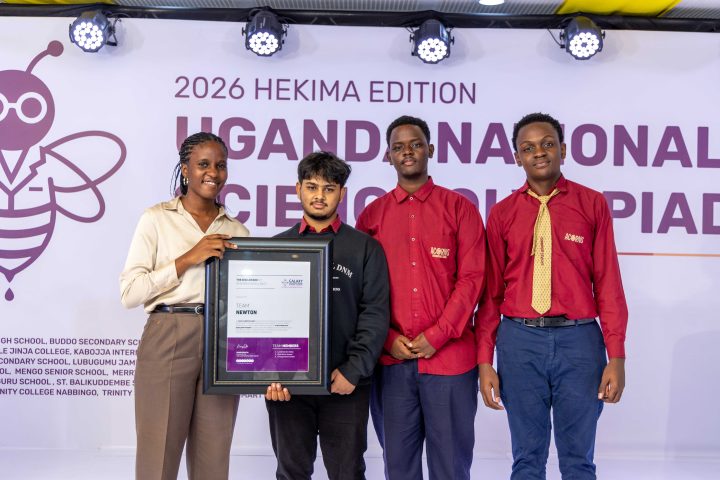
BEST RESEARCH
NewtonNamilyango College
04
Research Problem

The Wi-Fi Corner Paradox

In a Kampala apartment, a Wi-Fi hotspot in the sitting room shows strong signals in a far corner near the balcony, but the signal weakens drastically right next to the router on the bed. Why would electromagnetic waves behave so unpredictably in such a small space, and what roles do reflections, interference, and building materials play?

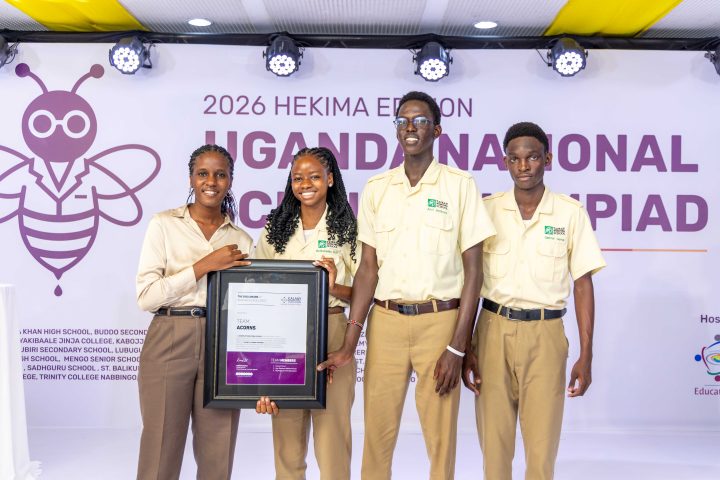
JOINT BEST RESEARCH
AcornsAcorns International School
QuantumTaibah International School
05
Research Problem

The Ugali Hardening Riddle

Freshly cooked posho/ugali is soft and elastic, but within a few hours it hardens into a firm block even when kept warm. What molecular changes in the starch structure drive this transition, and why does reheating sometimes restore softness only partially?

BEST RESEARCH
Super NovaNamilyango College
06
Research Problem

The Boiled Egg Shell Riddle

When boiling eggs, some shells peel off cleanly while others stubbornly stick to the egg white. What chemical changes during boiling determine whether an egg will peel smoothly or not?

JOINT BEST RESEARCH
QuantumTaibah International School
Nebula 10Greenhill Academy
National qualifiers

90 teams advanced.

Top 90 Teams countrywide progressed, with each school having a 5 team cap for the National Round

Open official results ↗
UNSO 2026 National Tournament
NATIONAL TOURNAMENT2026
02 / NATIONAL TOURNAMENT

National Round
The Hive Convenes

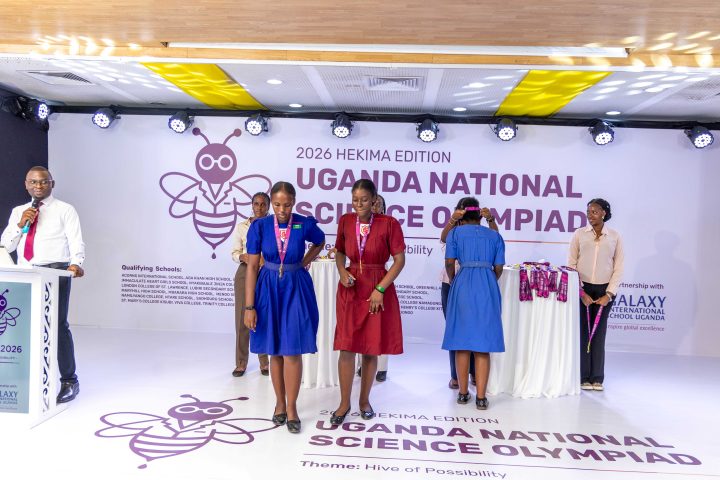
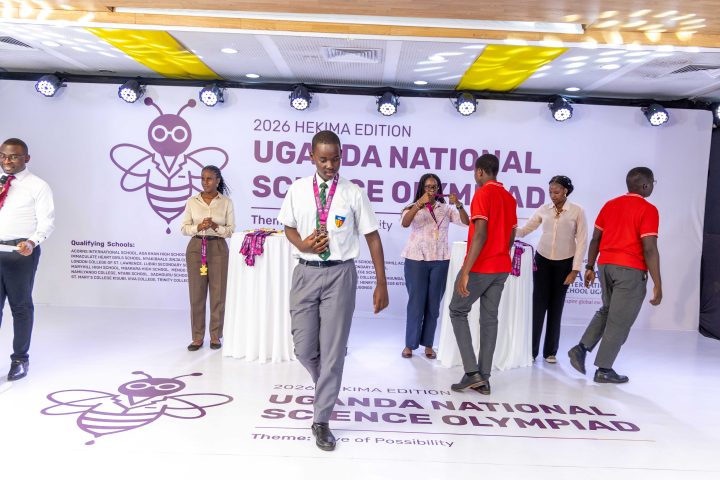
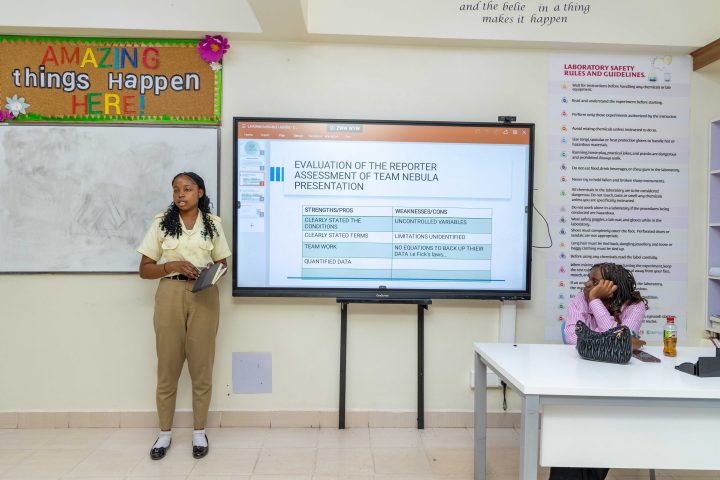
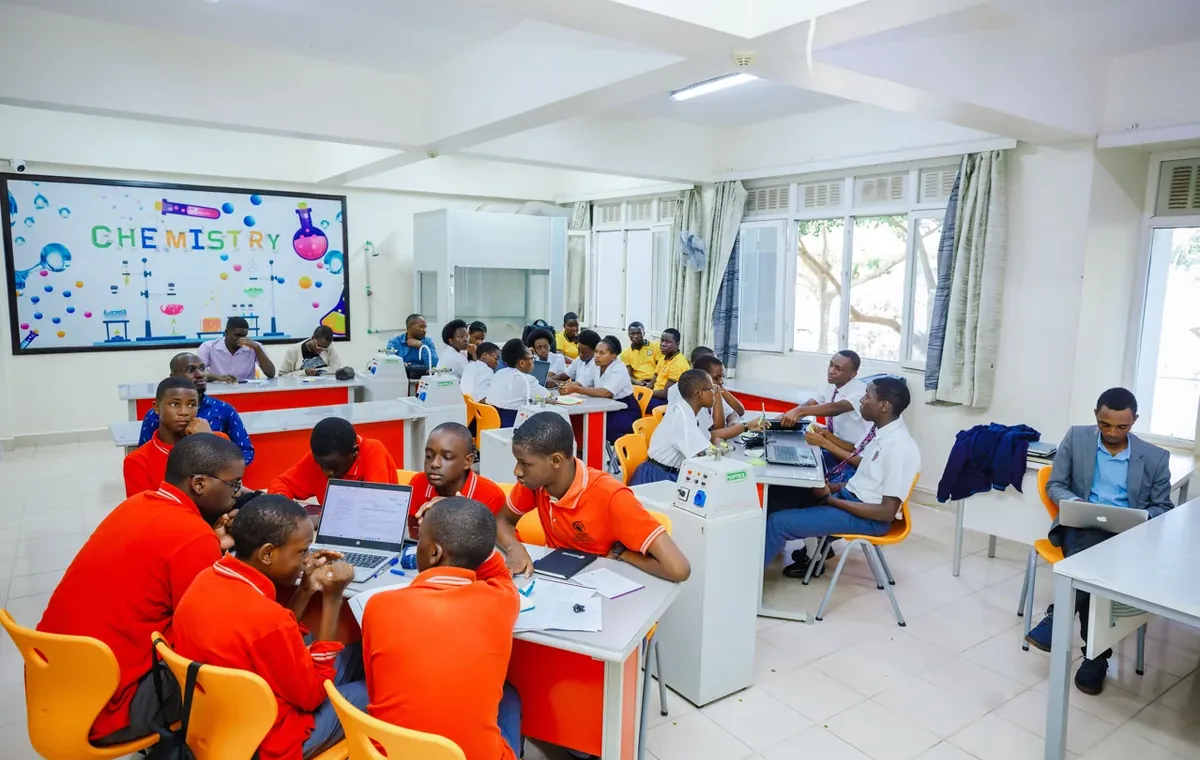
At Nationals, research stopped being something teams worked on in isolation. It entered the Science Fight room - presented, questioned, opposed, reviewed and strengthened through exchange.

Date14 Aug 2026VenueGalaxy International School Uganda
Championship podium

Three teams. One national finish.

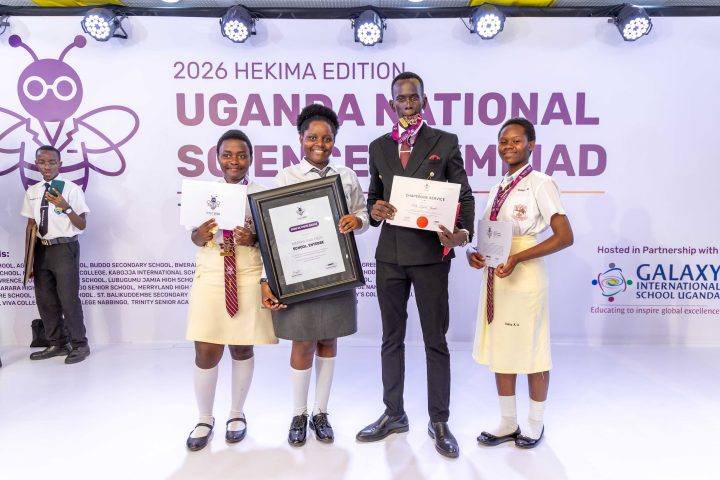
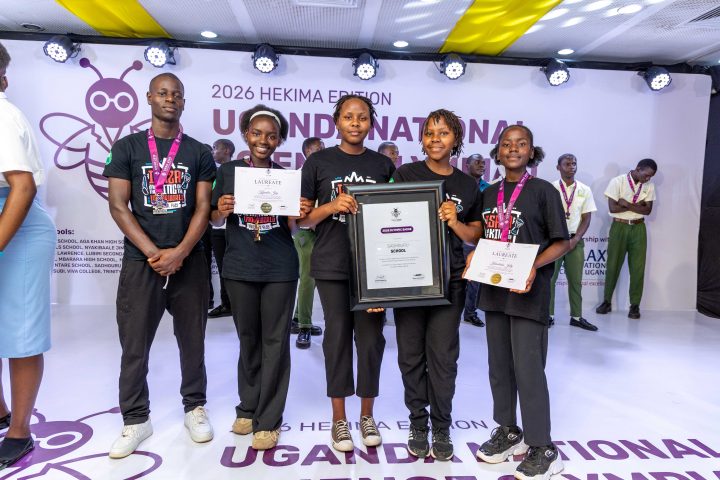
The podium is told through the actual award moments wherever photographs have been uploaded.

Team Helix - Gayaza High School
01Champion

Team Helix - Gayaza High School

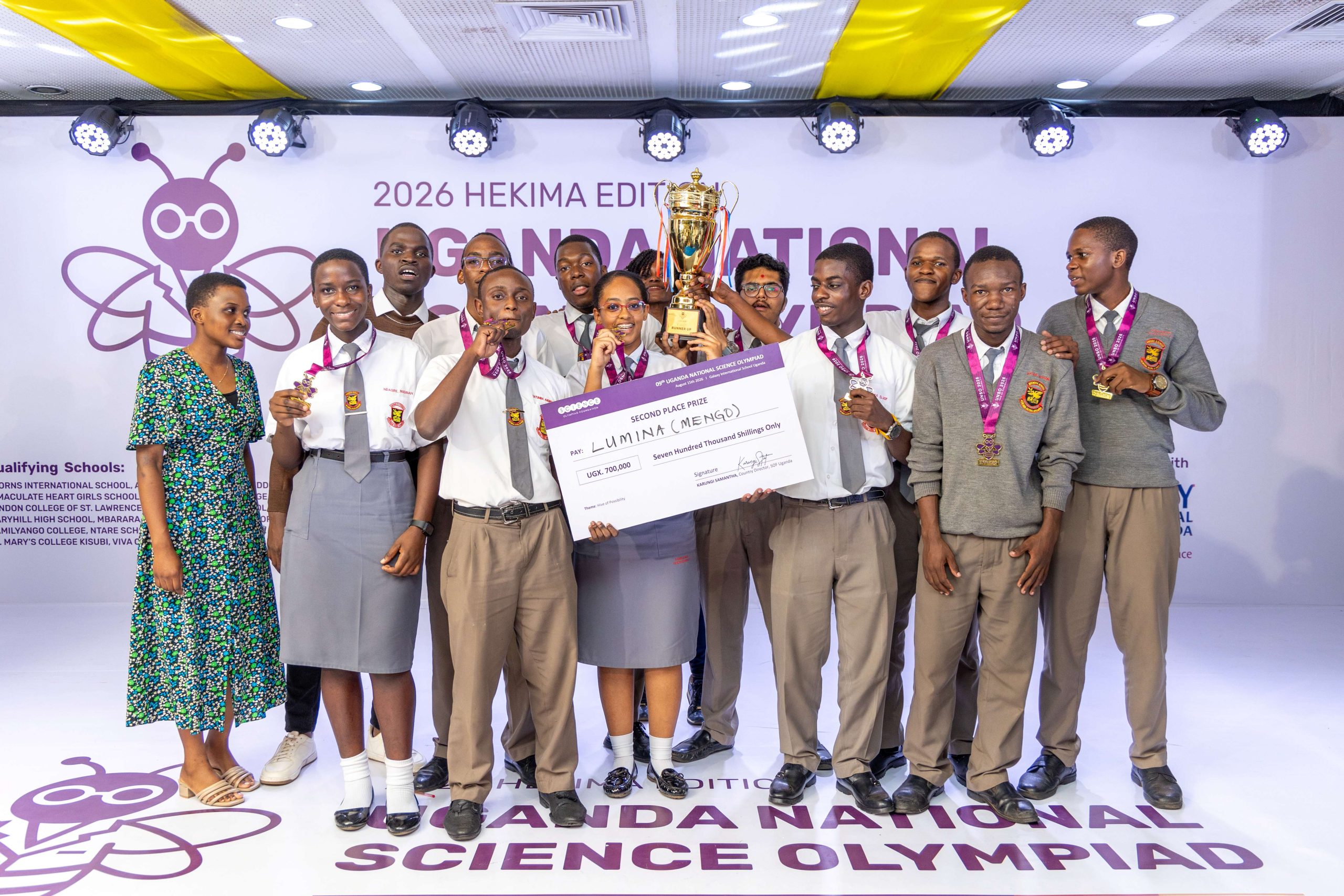
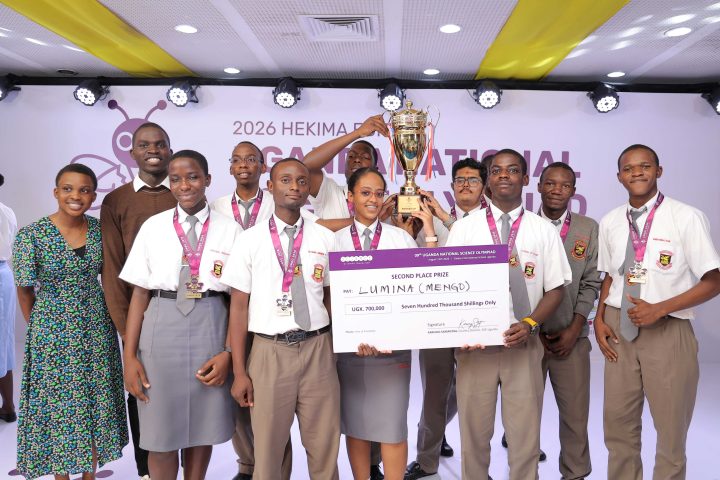
Team Lumina - Mengo Senior School
021st Runner-up

Team Lumina - Mengo Senior School

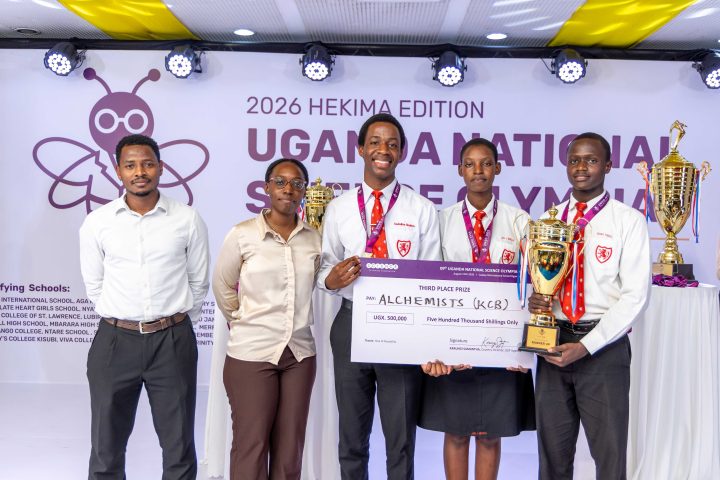
Team Alchemists - King's College Budo
032nd Runner-up

Team Alchemists - King's College Budo

Top Performing Schools

School-wide excellence.

Separate from the championship podium, these schools are recognised for overall tournament performance.

01Overall school performance
London College of St. Lawrence
02Overall school performance
Ntare School
03Overall school performance
Trinity College Nabbingo
Scientific roles & recognition

Excellence beyond the podium.

Ssebulime Sheldon Jonathan
Best ReporterSsebulime Sheldon Jonathan

King's College Budo

Kateega Arthur Anthony
Best OpponentKateega Arthur Anthony

Namilyango College

Nyende Louise Daniella
Best ReviewerNyende Louise Daniella

Gayaza High School

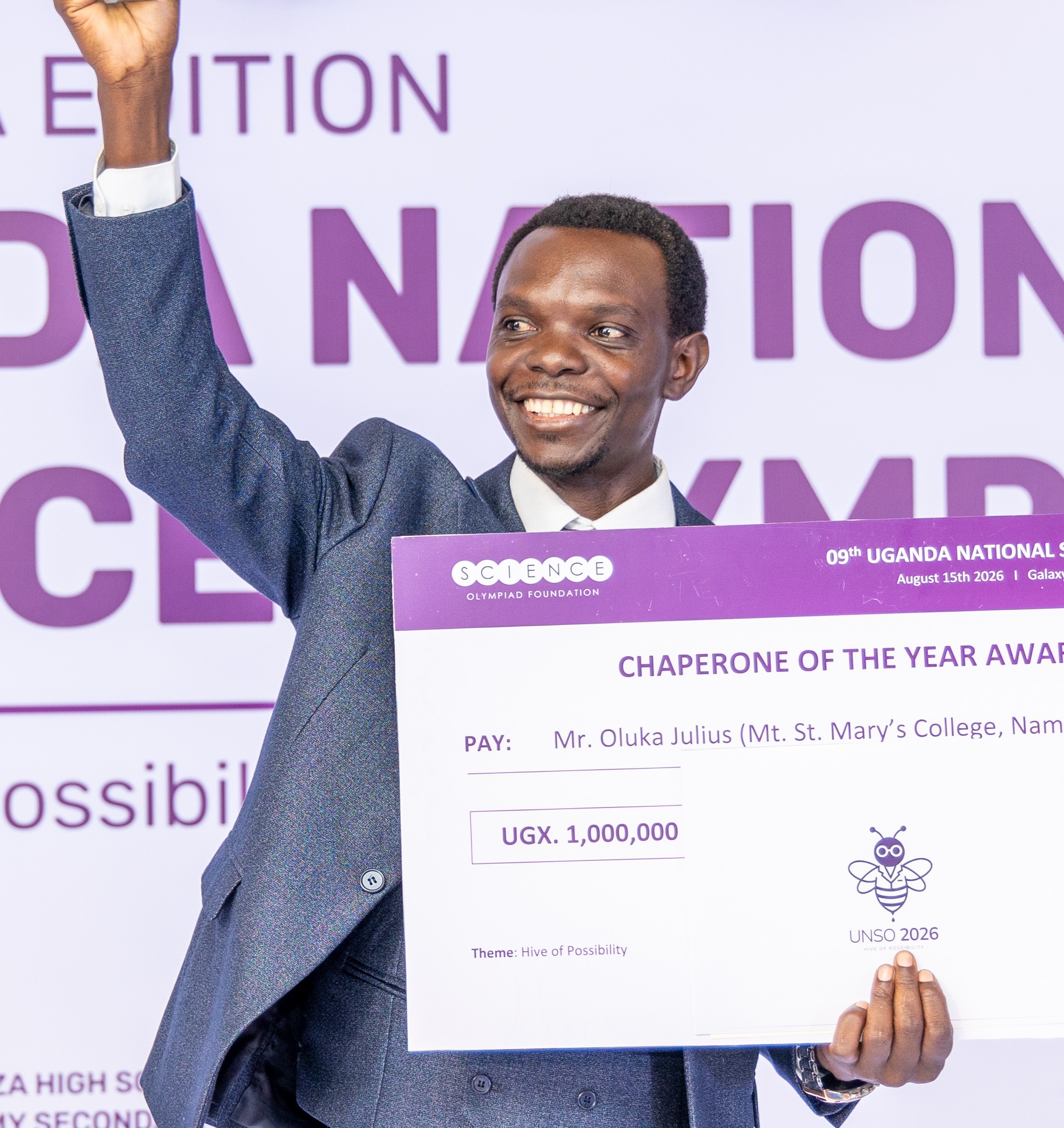
Mr. Oluka Julius
Chaperone of the YearMr. Oluka Julius

Mt. St. Mary's College Namagunga

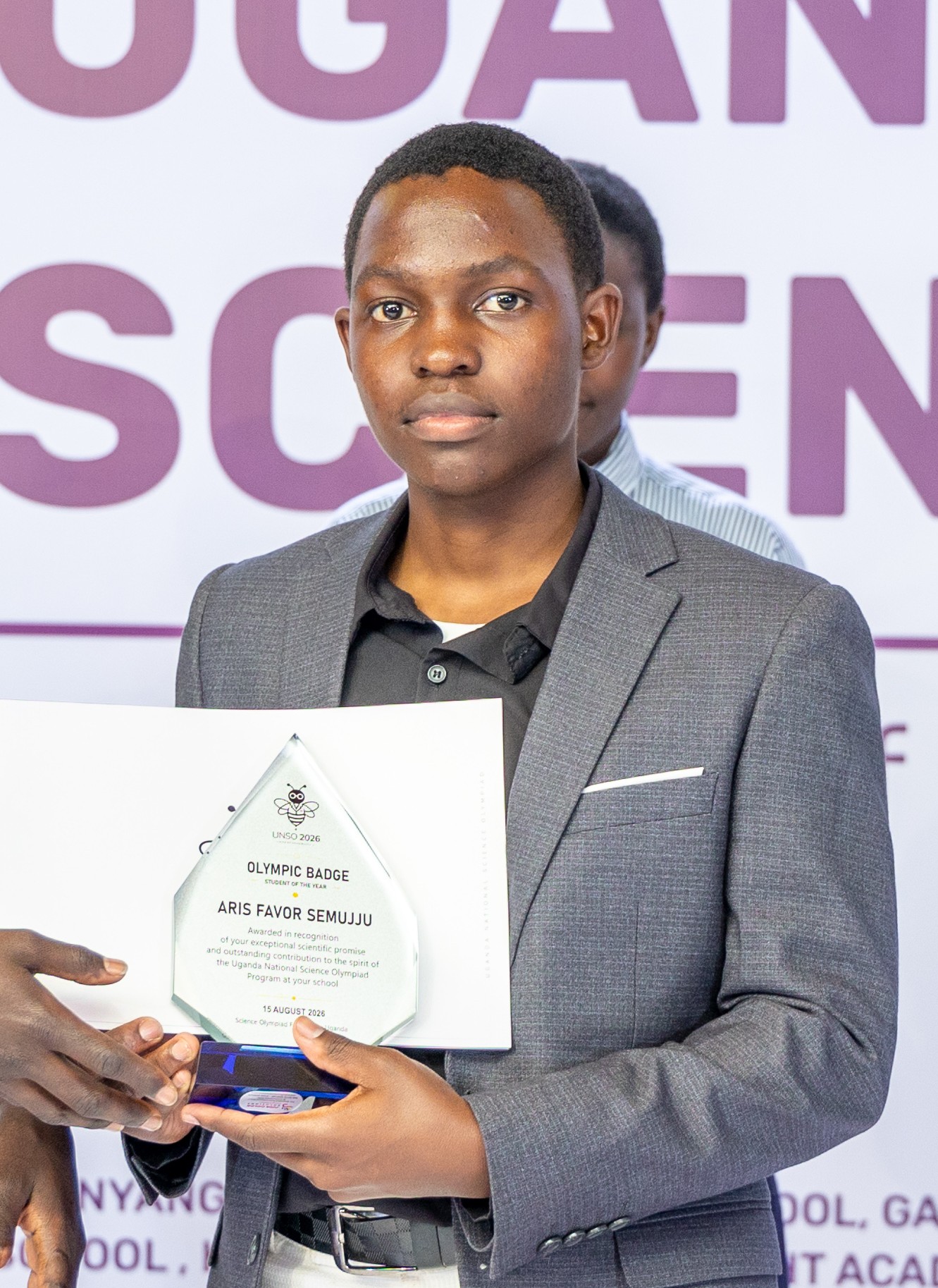
Semujju Aris Favor
Student of the YearSemujju Aris Favor

Uganda Martryrs Secondary School, Namugongo

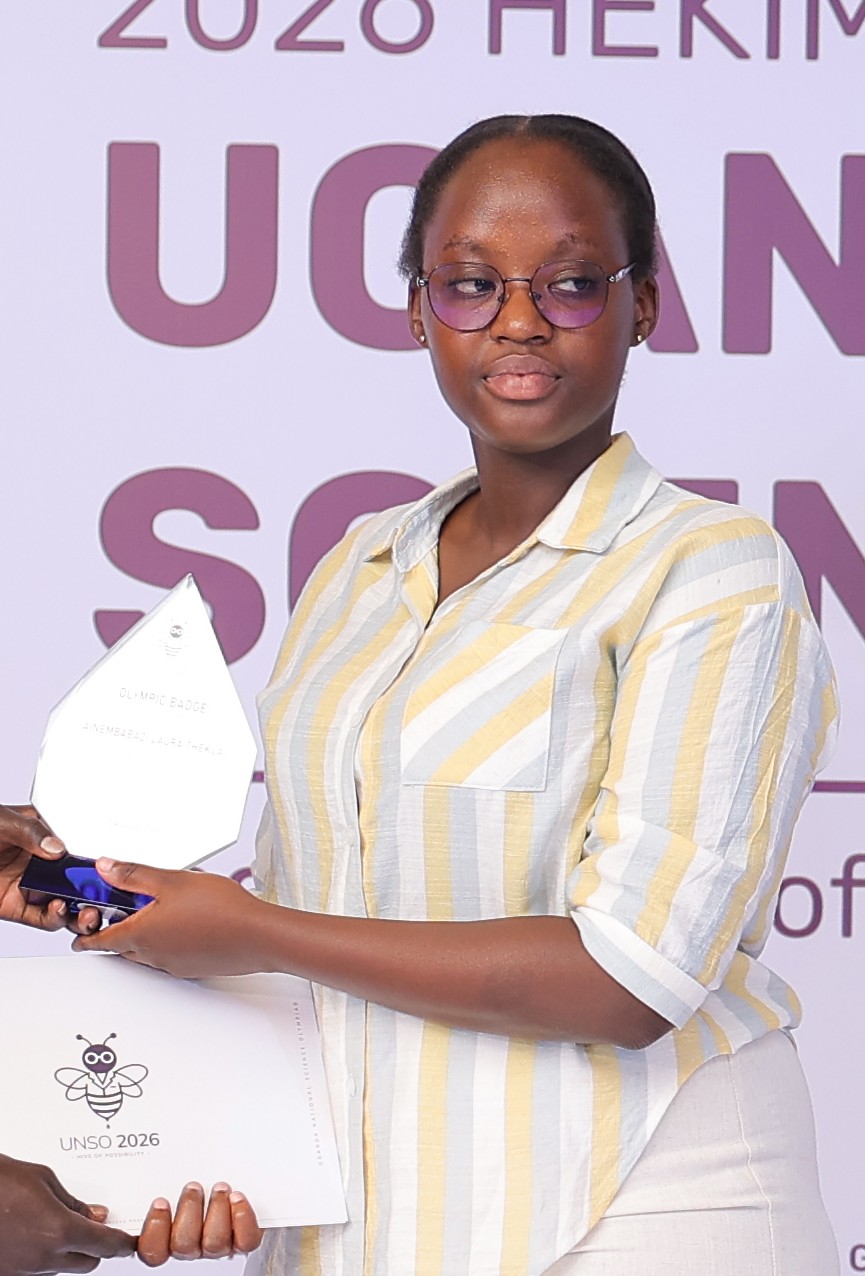
Ainembabazi Laura Thekla
Student of the YearAinembabazi Laura Thekla

Nabisunsa Girls School

Raphael Jude Ariho Bitarabeho
Student of the YearRaphael Jude Ariho Bitarabeho

Acorns International School

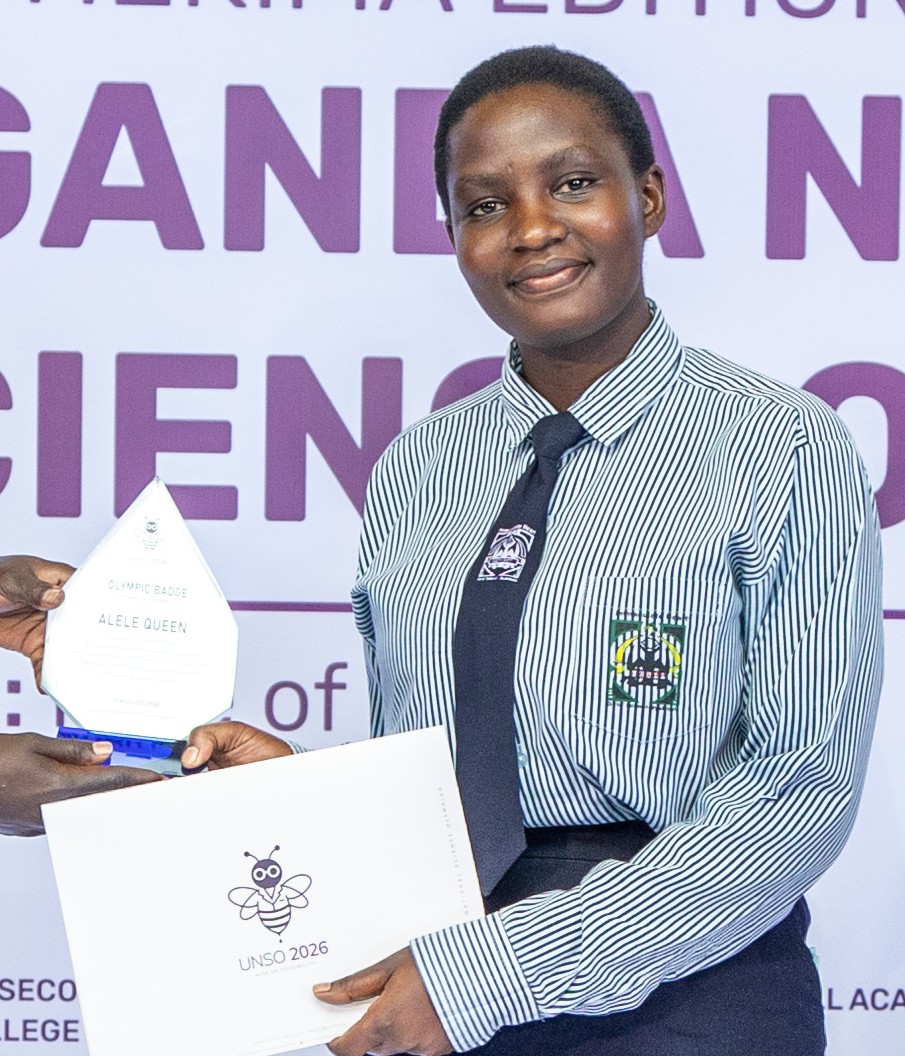
Alele Queen
Student of the YearAlele Queen

Immaculate Heart Girls School, Nyakibaale

Ssekayombya Barnabas
Student of the YearSsekayombya Barnabas

Merryland High School, Entebbe

Janice Charlene Katongole
Student of the YearJanice Charlene Katongole

Taibah International School

National Round problems

The problems debated in the Science Fights.

01Growth Limits in Confined Biological Systems:Biological populations grown in confined environments often exhibit slowed or halted growth even when nutrients are initially sufficient. Investigate how the dominant factors limiting growth evolve over time in confined biological systems. Identify and characterise distinct growth regimes, and determine the conditions under which transitions between them occur.
02Termite Mound (Ekiswa) VentilationCertain biological structures, such as termite mounds (ekiswa / ebiswa), maintain relatively stable internal temperature and gas composition despite fluctuating external conditions. Develop simplified physical models to study the mechanisms responsible for airflow and thermal regulation in mound-like structures. Evaluate how well these models capture real- world behaviour and identify their limitations
03Metal Rusting PatternsWhen metal objects rust, corrosion often appears uneven, forming distinct patterns rather than spreading uniformly. Examine how interactions between electrochemical processes and environmental conditions lead to the emergence of spatial corrosion patterns. Determine the key factors controlling pattern formation and evolution.
04Layering of Miscible LiquidsLiquids that are fully miscible can temporarily form distinct layers when combined under controlled conditions. Investigate the competition between diffusion, density-driven stability, and convective instabilities in miscible liquid systems. Determine the conditions under which transient stratification persists or breaks down.
05The “Spill-Resistant” CupCarrying a cup of liquid while walking often leads to spilling, yet certain motion patterns reduce spillage. Study how the interaction between imposed motion and the natural dynamics of the liquid influences sloshing. Determine conditions under which spillage is minimized and explain the underlying principles.
06Cracking of Drying CoatingsWhen coatings such as paint or mud dry, they often develop cracks whose patterns depend on material and environmental conditions. Investigate the conditions under which cracking occurs in drying coatings. Determine how material properties and external constraints influence crack initiation and pattern formation.