

Begin
Research problems are released.
Teams choose problems and begin a sustained period of investigation, experimentation and scientific writing.
The Uganda National Science Olympiad is SOFU's flagship national programme, bringing together young scientists from schools across Uganda through research, scientific presentation, argument, teamwork and competition.
Understand the tournament ↓The National Tournament is the climax. The science begins months earlier with sustained research.
Teams choose problems and begin a sustained period of investigation, experimentation and scientific writing.
Students test ideas, analyse observations and turn their work into a formal Research Report.
Research Report /60 plus a theory research assessment /40 creates the national ranking.
The published national cut for that edition determines who earns a place at the National Tournament.
Teams present, challenge, defend and review scientific work under tournament conditions.
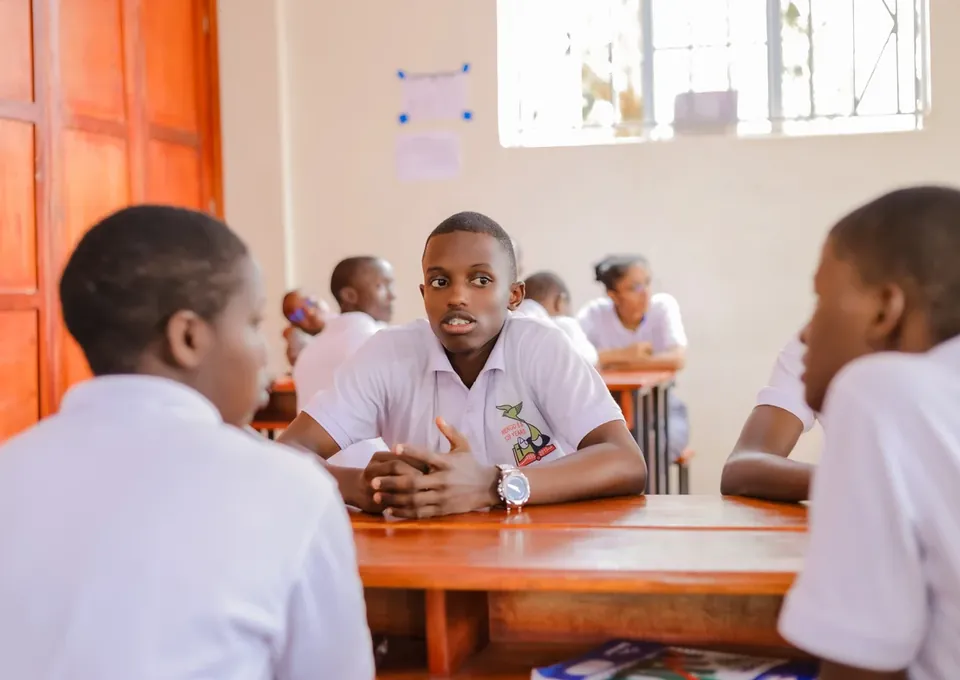
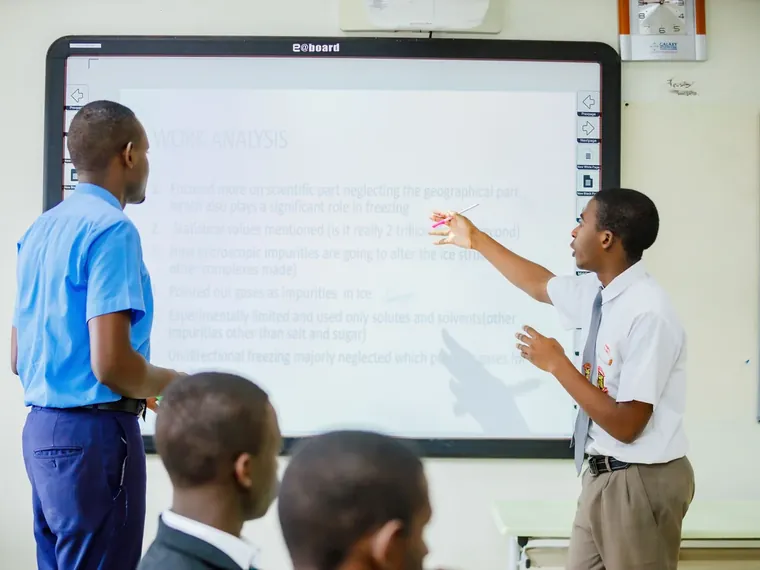
Follow the current Uganda National Science Olympiad season from registration through Regional Qualifiers and the National Tournament.
The official Regional Qualifier problem set is now public. Explore the released Biology, Chemistry and Physics investigations below, choose your lane, and begin shaping the research journey that will define your team’s season.
A genetic modification gives human skin cells functioning chloroplasts. These chloroplasts photosynthesise at the same efficiency as the leaves of a healthy crop and cause no immune reaction. Could a “green human” obtain a meaningful portion of their food energy from sunlight? Determine the roles of body surface area, sunlight intensity, photosynthetic efficiency and human energy demand. Explain how carbon dioxide, water, oxygen and glucose would have to move through the body, and examine possible effects on respiration, circulation, nutrition and temperature regulation
A new lighting system illuminates the entire Kampala metropolitan area throughout the night with light having the intensity and spectrum of ordinary daylight. The system produces no additional heat, sound or air pollution and operates continuously for one year. Investigate how the disappearance of darkness would affect humans, plants, pollinating insects, nocturnal animals and the wider urban ecosystem. Distinguish between immediate physiological responses, seasonal changes and possible long-term evolutionary consequences. Propose a lighting strategy that could retain the perceived benefits of illumination while reducing biological disruption.
An engineer unveils a two-wheeled boda that can negotiate any bend while remaining perfectly upright, without a sidecar, external support or rail. Yet the same frictional force that turns an ordinary motorcycle should also create a moment that topples an upright one. Has the engineer defeated the laws of circular motion, or introduced a hidden force? Determine whether such a motorcycle is physically possible and what combination of steering, torque, angular momentum, moving masses, aerodynamics or active control could keep it stable
A room may feel less ventilated after mosquito mesh is installed, even though the windows remain fully open. How can a barrier composed mainly of holes obstruct air so effectively? Investigate how mesh geometry and wind direction could affect airflow and cooling. determine whether a mosquito-proof barrier can ever become aerodynamically invisible, or whether stopping an insect must inevitably mean stopping part of the wind.
Scientists announce a stable liquid capable of dissolving every solid, liquid and gas without itself undergoing permanent chemical decomposition. Investigate whether such a solvent could exist. Distinguish dissolving a substance from chemically reacting with it. If the solvent truly dissolves every known material, determine how it could be manufactured, purified, stored, transported and measured. Identify any contradictions within the original claim and propose the closest chemically realistic alternative.
Two packets of iodised salt may remain equally white, equally salty and almost identical in mass. Yet after several months, chemical analysis may reveal that one contains far less iodine than the other. The sodium chloride crystals remain, but some of the iodine apparently does not. The law of conservation of matter states that iodine atoms cannot simply cease to exist. Where, then, has the “missing” iodine gone? Why do storage conditions and the chemical form in which iodine was added determine whether it remains in the salt?
Three roles create one disciplined scientific conversation.
Presents and defends the team's scientific work - its method, evidence, reasoning and conclusion.
Interrogates assumptions, methods, evidence and conclusions, then drives the scientific discussion.
Evaluates the report, the opposition and the quality of the scientific conversation that follows.
Enter the Fight Room and learn the rules, timing, Reporter, Opponent, Reviewer, slide building and practice simulations from zero.

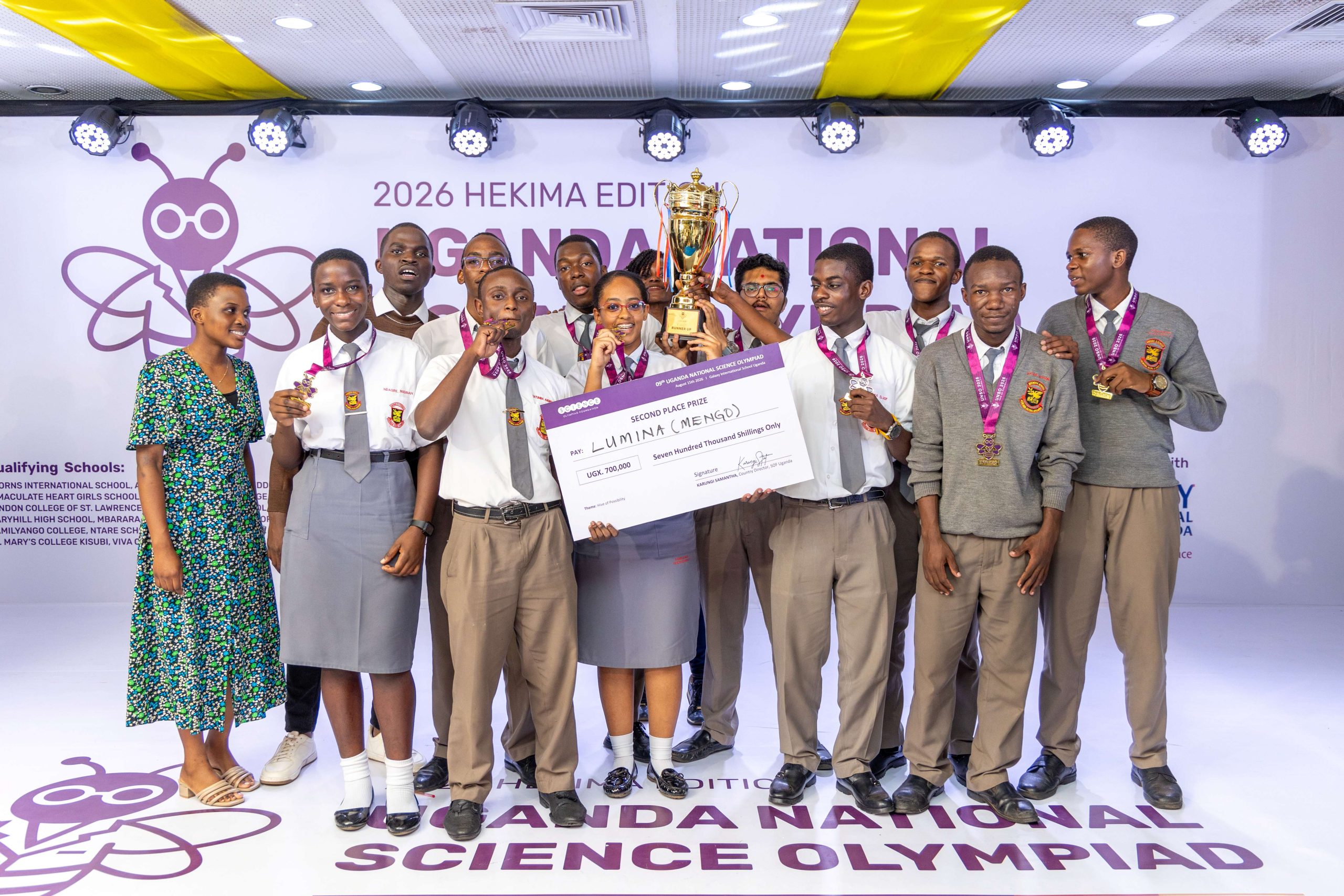

These are the top schools by overall tournament performance - a separate recognition from the championship podium above.



Scientific roles, mentorship and community contribution remain visible alongside the podium.

King's College Budo

Namilyango College

Gayaza High School
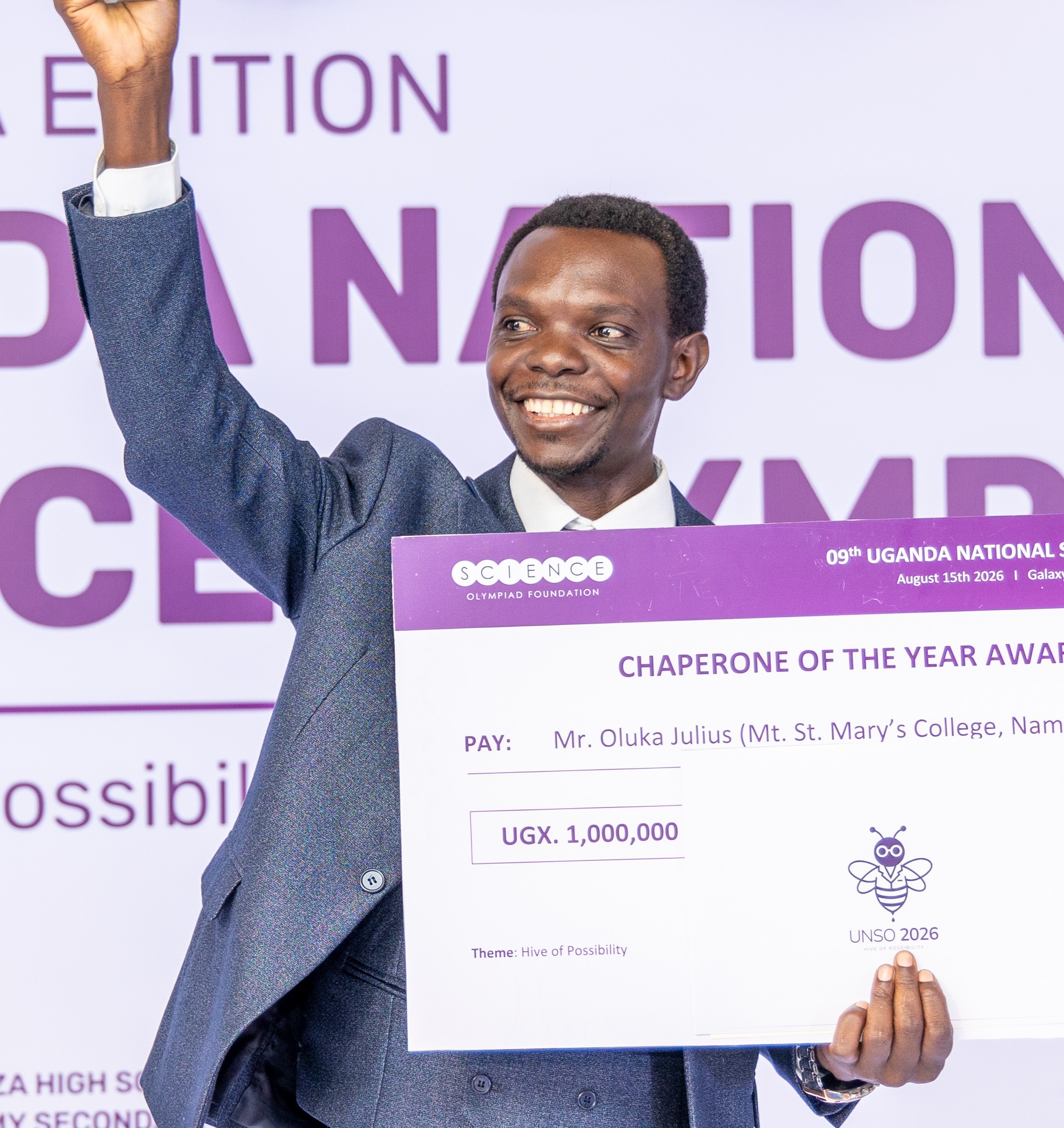
Mt. St. Mary's College Namagunga
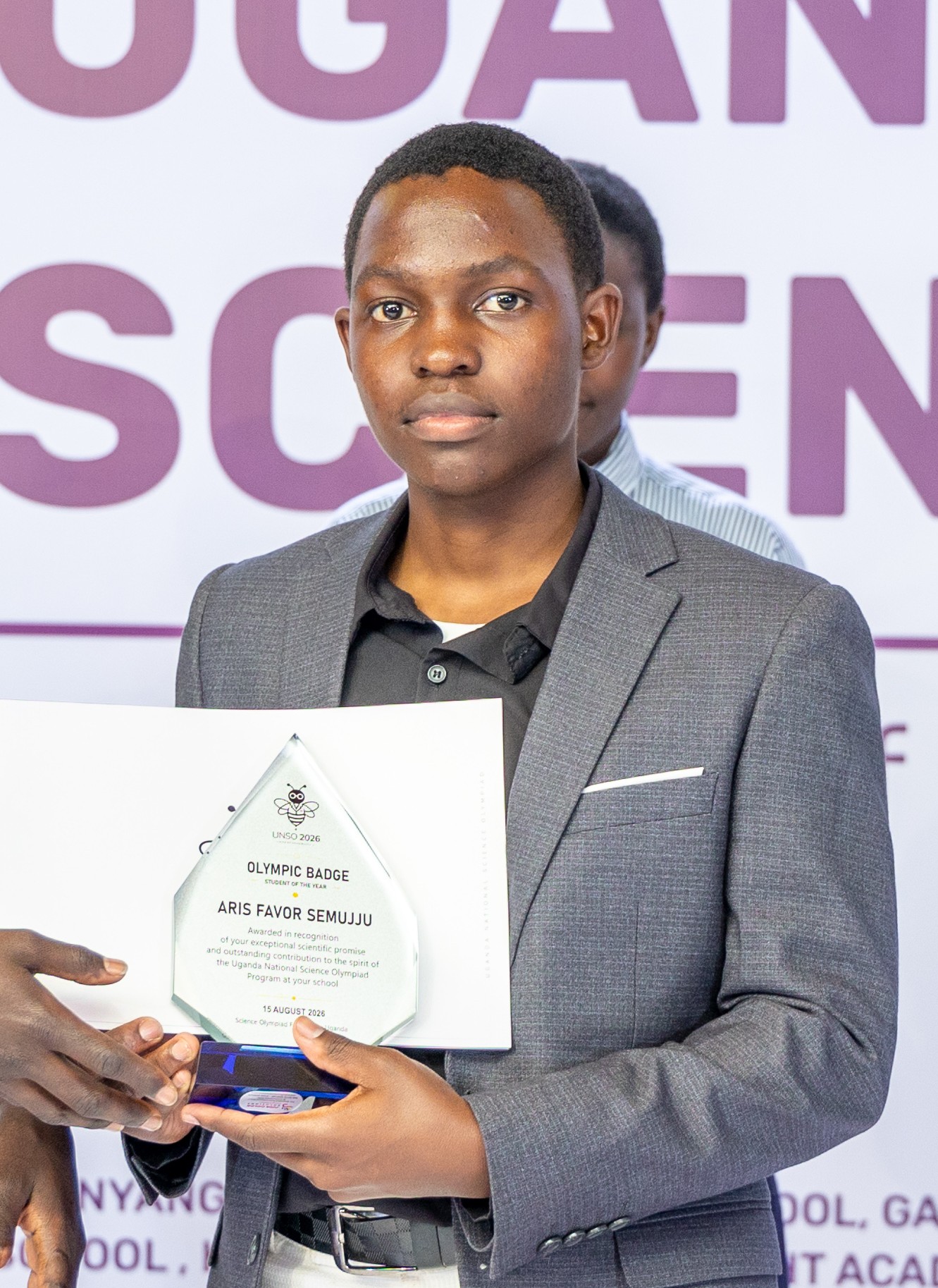
Uganda Martryrs Secondary School, Namugongo
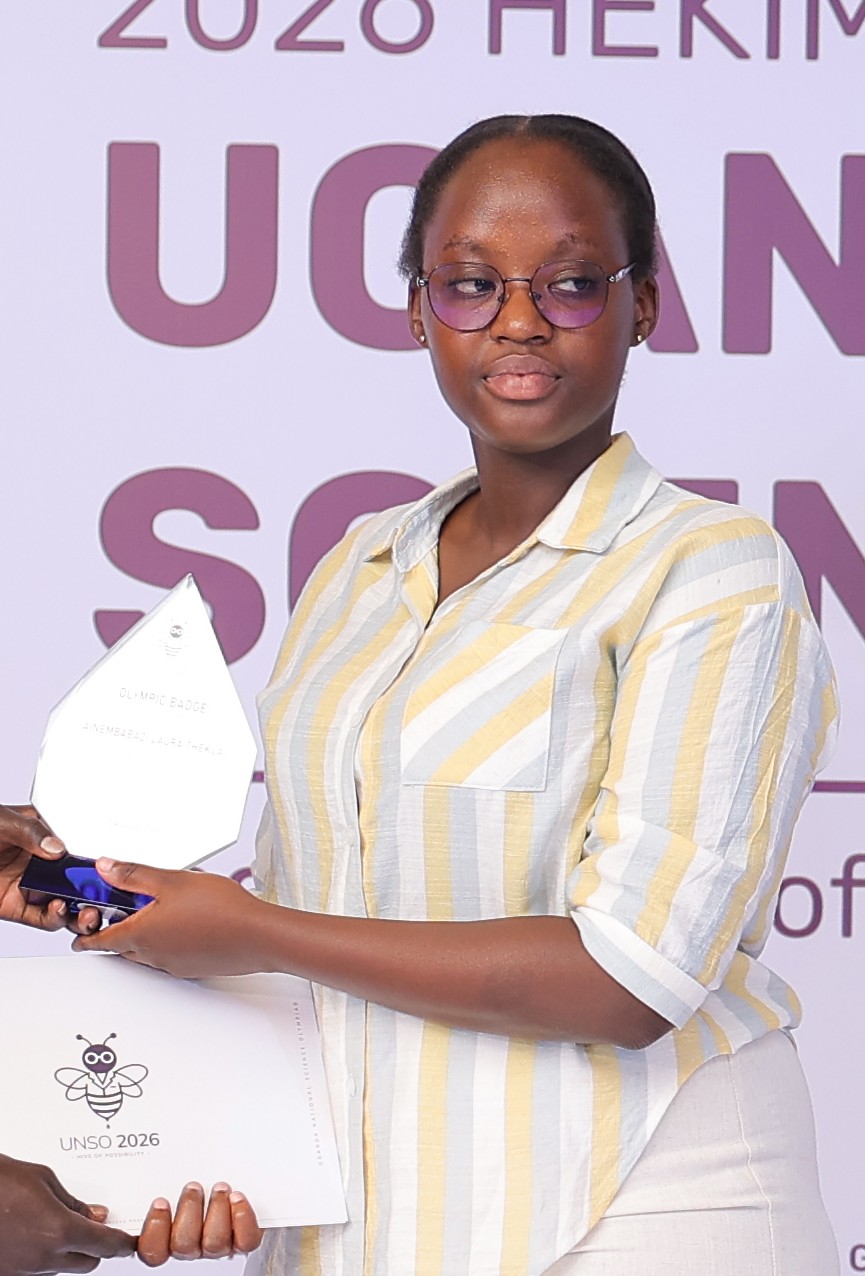
Nabisunsa Girls School

Acorns International School
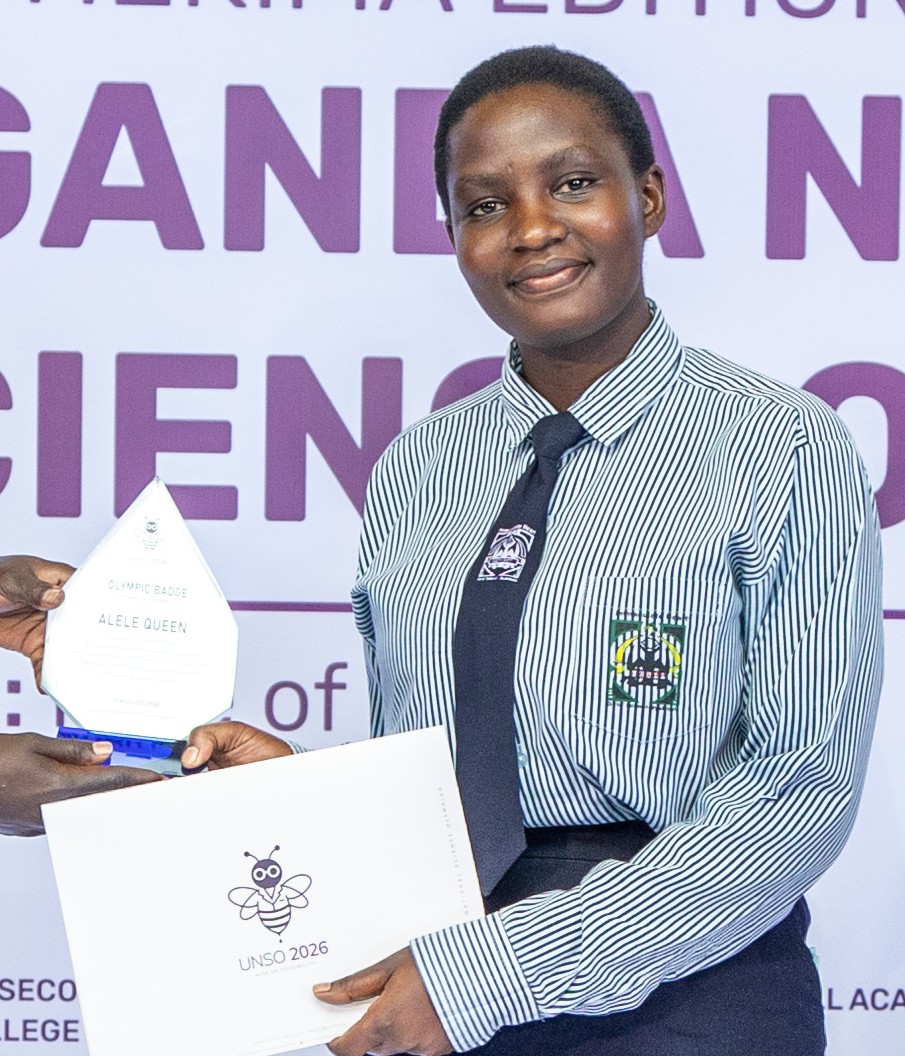
Immaculate Heart Girls School, Nyakibaale
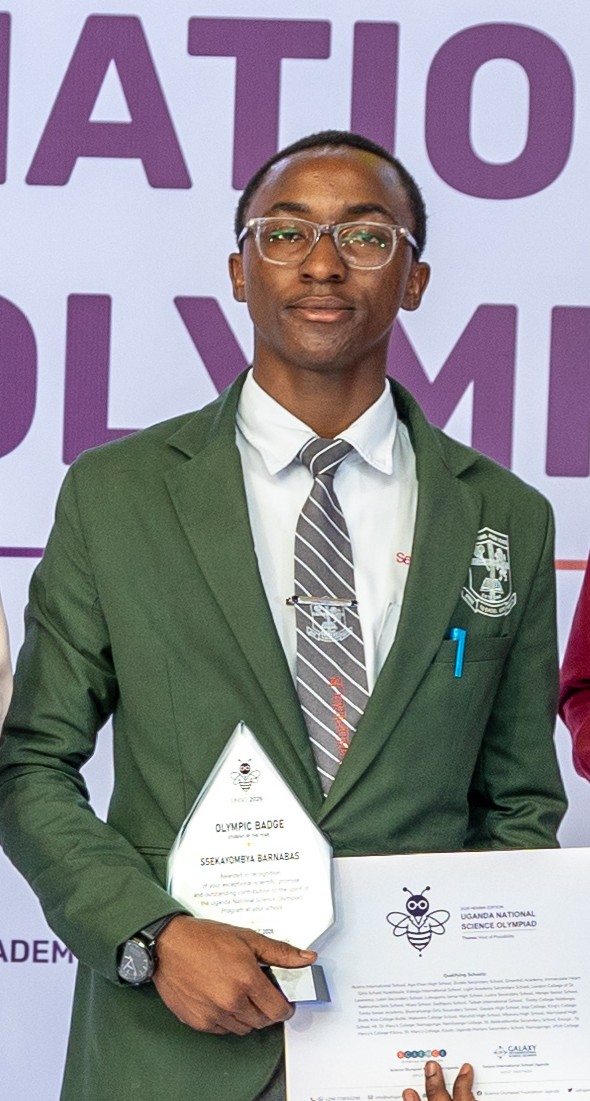
Merryland High School, Entebbe
Taibah International School
The current tournament never enters this roll until it is complete. This is the permanent record of schools and teams that reached the summit.






Open any year to revisit its Regional Qualifiers, National Tournament, problems, results, schools and recognitions.